Plastic surgery in Korea covers eyelid, nose, lower-face lifting, breast and body operations, usually done by surgeons who concentrate on one region rather than on everything at once. Most procedures last one to four hours under local anesthesia with sedation or under general anesthesia. Stitches typically come out after five to seven days, and many visitors plan a stay of one to two weeks before flying. Swelling eases in stages, while the final shape can take three to twelve months to settle. Clinics quote each operation as a package covering surgery, anesthesia and follow-up checks, with fees shown before VAT. Below you can see who tends to be a good candidate, how surgery day runs, healing by week and the main risks, plus a clinic list and a price table.
Is it for you?
Who Plastic surgery in Gangnam suits, and who should wait
A good candidate is a healthy adult with a stable weight, a specific change in mind and enough time in the country to attend the stitch removal and at least one check-up. Non-smokers heal more predictably, and anyone who smokes is normally asked to stop for several weeks before and after surgery.
Surgery is not the right tool for every concern. Fine lines, mild laxity or uneven texture often respond to non-surgical options, and an operation cannot change skin quality, stop ageing or fix a problem that is mainly emotional. A careful surgeon will also decline or postpone when expectations are unrealistic, when a previous operation has not fully healed, or when a medical condition makes anesthesia risky.
Usually a good fit
- Healthy adults with a stable body weight
- A clearly defined change in one area
- Able to stay for stitch removal
- Non-smokers or willing to pause smoking
May be better to wait
- Pregnant or breastfeeding
- Active infection or skin disease at the site
- Uncontrolled diabetes, bleeding or heart conditions
- Concerns better handled by non-surgical care
Clinics in Gangnam
10 clinics for Plastic surgery in Gangnam
Every clinic below lists Plastic surgery among its treatments. Message a clinic directly.
 1
 2
Garnet Plastic Surgery
 3
 4
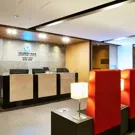
Girin Plastic Surgery
 5
ONUL Plastic Surgery & Dermatology
 6
OPERA PLASTIC SURGERY
 7
LV Plastic Surgery & Aesthetics
 8
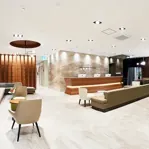
YUNO Plastic Surgery
 9
Edition Plastic Surgery
 10
Lienjang Plastic Surgery & Aesthetic Clinic
How it works
How a Plastic surgery session runs
Each operation reshapes tissue at a different layer. Eyelid work adjusts skin, muscle and fat around the upper or inner lid; nose surgery reshapes cartilage and bone, sometimes with a silicone implant or the patient's own cartilage; face and neck lifting repositions the deeper soft tissue and removes loose skin. Technique, incision length and anesthesia type mainly set operating time and the quoted fee.
Published Korean and European series give a sense of how techniques are refined over time. Yi and colleagues reported in Aesthetic Plastic Surgery in 2007 on a simple inner-corner eyelid technique used in 52 patients, with 2 needing correction of a depressed scar during follow-up. Tonnard and colleagues, writing in the same journal in 2005, reviewed 450 short-scar suspension lifts and found that 23 cases (5.1%) needed extra neck work, which led them to add two supplementary steps.
Implants carry their own long-term questions. A 2017 case series by Sunwoo and colleagues in JAMA Facial Plastic Surgery examined the tissue of capsules that had tightened around silicone nasal implants, a reminder that implant choice and revision planning deserve a direct conversation before the first operation.
Consultation and photos
The surgeon examines the area, takes standardized photos and explains which technique fits your anatomy. Expect 30 to 60 minutes, often with an interpreter in the room.
Pre-operative tests
Blood tests, an ECG and sometimes a chest X-ray are done on the same day or the day before, especially when general anesthesia is planned.
Anesthesia
Local anesthesia with IV sedation is common for eyelid procedures; general anesthesia is typical for nose, lifting and body operations. An anesthesiologist should be present for general cases.
The operation
Most procedures take one to four hours. Dressings, a nasal splint or compression garments are applied before you leave the operating room.
Recovery room and discharge
You rest for one to several hours until alert. Some clinics keep patients overnight after longer operations; others discharge the same evening with written aftercare.
Plastic surgery compared with other options
| Procedure group | Usual anesthesia | Incision | Main swelling period |
|---|---|---|---|
| Upper eyelid and inner corner | Local with sedation | Short, hidden in the fold | About 1 to 2 weeks |
| Nose reshaping | General or deep sedation | Inside the nostrils or across the base | About 2 to 3 weeks |
| Face and neck lift | General | Around the ear and hairline | About 2 to 4 weeks |
| Fat grafting | Local with sedation or general | Tiny entry points | About 1 to 2 weeks |
At a glance
Plastic surgery facts
| Common procedures | Eyelid surgery, nose surgery, face and neck lifting, fat grafting, breast and body contouring |
|---|---|
| Anesthesia | Local with sedation or general, depending on the operation |
| Operating time | About 1 to 4 hours for most single procedures |
| Pre-op tests | Blood work and ECG, usually on or before surgery day |
| Stitch removal | Usually day 5 to 7 |
| Visible swelling | Roughly 1 to 4 weeks depending on the area |
| Final result | Gradually over 3 to 12 months |
| Suggested stay | Often 7 to 14 days after surgery |
| How fees are quoted | Per procedure or package, before VAT |
Prices
Plastic surgery cost in Gangnam
Prices below come from the listed clinics' own price lists, before VAT. 10% VAT is added at payment.
Non-incisional (buried) double eyelid
Price at 1 listed clinic · approx. $873₩1,200,000 + VATCompare clinicsMedial epicanthoplasty
Price at 1 listed clinic · approx. $873₩1,200,000 + VATCompare clinicsLateral/lower/upper canthoplasty
Price at 1 listed clinic · approx. $873₩1,200,000 + VATCompare clinicsEpicanthoplasty — medial or upper (each)
Price at 1 listed clinic · approx. $945₩1,300,000 + VATCompare clinicsNon-incisional (buried suture) double eyelid
Price at 1 listed clinic · approx. $1,164₩1,600,000 + VATCompare clinicsPartial-incision double eyelid
Price at 1 listed clinic · approx. $1,309₩1,800,000 + VATCompare clinicsDouble eyelid — buried (non-incisional)
Price at 1 listed clinic · approx. $1,455From ₩2,000,000 + VATCompare clinicsIncisional double eyelid surgery
Price at 1 listed clinic · approx. $1,455₩2,000,000 + VATCompare clinicsRecovery
What the days after look like
Tightness, swelling and mild pain controlled with prescribed medication. Rest with the head raised and keep dressings dry.
Swelling and bruising usually peak. Cold compresses, short walks and a soft diet help. Avoid bending and heavy lifting.
Stitches or splints are typically removed at the clinic. Many people can go out with light makeup or glasses.
Most bruising has faded and flying is usually comfortable. Residual puffiness can still change from morning to evening.
Scars soften and tissues settle into their final contour. Nose and lifting results take the longest to mature.
Safety
Plastic surgery risks and limits
- Swelling, bruising and temporary numbness are expected and fade over weeks.
- Asymmetry or under-correction may need a touch-up once healing is complete.
- Infection, bleeding or a collected fluid pocket need prompt review by the treating surgeon.
- Visible or widened scars, especially in people prone to thick scarring.
- Implant problems such as capsule tightening, shifting or exposure, sometimes years later.
- Anesthesia carries general risks, which is why medical history and tests matter.
Evidence
Research behind this page
- Optimising Results from Minimal Access Cranial Suspension Lifting (MACS-Lift)Aesthetic Plastic Surgery · 2005 · Tonnard P, Verpaele A, Gaia S · doi:10.1007/s00266-005-0047-7
A review of 450 short-scar suspension lifts in which 23 cases (5.1%) had unsatisfactory neck results, leading to two ancillary neck procedures.
- Immunohistochemical Analysis of Capsular Contracture in Silicone Implant RhinoplastyJAMA Facial Plastic Surgery · 2017 · Sunwoo W, Jung H, Kim D, Jin H · doi:10.1001/jamafacial.2017.0207
A case series examining the tissue features of contracted capsules around silicone implants used in nose surgery.
- Simple Epicanthoplasty with Minimal ScarAesthetic Plastic Surgery · 2007 · Yi S, Paik H, Lee P, Oh D, Rhie J, Ahn S · doi:10.1007/s00266-006-0123-7
Describes an inner-corner eyelid technique used in 52 patients over three years of follow-up, with 2 depressed lower-lid scars that were corrected.
FAQ
Questions about Plastic surgery in Gangnam
Why do so many people choose South Korea for plastic surgery?
Many visitors come because surgeons there perform high volumes of eyelid, nose and facial procedures and often focus on a single area. Clinics are used to planning operations around a short trip, with tests, surgery and stitch removal fitted into one to two weeks. Results vary from person to person, so the deciding factor should be the surgeon's experience with your specific concern rather than the country itself.
How long should I stay after plastic surgery in Korea?
Plan to stay at least seven days for most facial procedures and closer to two weeks for nose, lifting or body work. That window covers stitch or splint removal and one follow-up check. Swelling peaks in the first four days, so long-haul flights straight after surgery raise the risk of discomfort and clots. Build a few spare days into your booking in case the surgeon wants an extra review.
Is general anesthesia used for cosmetic surgery in Korea?
General anesthesia is standard for nose, lifting, breast and body operations, while many eyelid procedures use local anesthesia with sedation. Pre-operative blood tests and an ECG are normally required before either option. Ask whether a dedicated anesthesiologist will monitor you throughout and what equipment the recovery room has, because these details matter more than the type of anesthesia itself.
Will the surgeon speak English during the consultation?
Some surgeons speak English directly, but many consultations run through a medical interpreter. Either way, you should receive written aftercare instructions in a language you read comfortably. Before surgery, confirm that the person explaining risks is medically trained and that your consent form is translated, so nothing important is lost between languages. Asking questions twice in different words is a simple way to check understanding.
Can I combine two procedures in one operation?
Combining procedures is common, for example eyelid and nose work in one session, but it lengthens anesthesia and recovery. Surgeons weigh total operating time, your health and how swelling in one area affects another. A longer single session can mean a longer stay, so check how the plan changes your travel dates before agreeing to add anything. Some surgeons stage operations over two trips when the combined time would be long.
When can I fly home after surgery in South Korea?
Most people fly comfortably once stitches are out and the surgeon has cleared them, usually one to two weeks after the operation. Flying earlier raises the risk of swelling and, after longer operations, blood clots. Wear compression stockings if advised, drink water and move around the cabin during the flight. Keep your discharge summary and medication list in your hand luggage.
Are fees for surgery shown with or without VAT?
Quoted fees are normally before VAT, and 10% VAT is added when you pay. A quote should also state whether anesthesia, pre-operative tests, medication, follow-up visits and any revision policy are included. Comparing quotes only works when you line up what each package covers, so ask for the inclusions in writing before you decide.
What should I check about a plastic surgery clinic in Korea before booking?
Confirm who will perform the operation and that the same surgeon sees you at consultation. Ask about anesthesia staffing, emergency equipment, the recovery room and how complications are handled after you return home. Request a written plan listing the technique, the number of follow-up visits and the aftercare you will receive. A clinic that also tells you when surgery is not advisable is usually being straight with you.
What happens if I need a revision after returning home?
Revisions are usually not considered until tissues settle, often six months to a year after the first operation. Ask before surgery whether the clinic offers remote follow-up by photo, how it shares records and what its revision policy covers. Carry copies of your operative notes and implant details so a local surgeon can assess any problem quickly if you cannot travel back.
How do I prepare in the weeks before the operation?
Stop smoking and pause blood-thinning supplements such as fish oil or vitamin E for about two weeks, unless your own doctor says otherwise. Bring a full list of medications and past operations. Arrange accommodation close to the clinic with a lift, plus loose clothing that opens at the front. Plan easy meals and someone to accompany you on the first night if possible.